
Passover highlights the power of our memory
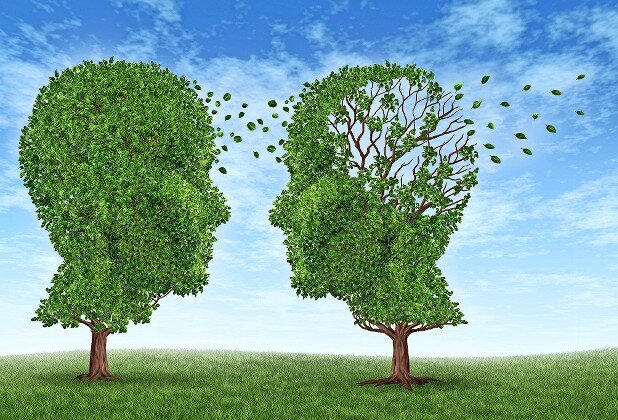
How’s your memory?
As families gather around the Seder table during Passover, storytelling becomes a powerful act of memory — retelling the journey from slavery to freedom and passing traditions from one generation to the next.
“These traditions highlight just how essential memory is, not only as a cognitive function but as a deeply human connection that shapes who we are,” said Dr. Jeff Shenfeld, medical director of the Brain Health Center.
While many people can easily recall stories repeated year after year, Dr. Shenfeld said, more recent memories — like appointments, names or familiar events — may become harder to retain.
As people live longer than previous generations, he said, a key question is whether those added years are lived in good health. More individuals are experiencing challenges related to memory loss, depression, balance issues and sleep disturbances — conditions that can affect not only patients, but also their families and caregivers.
The Brain Health Center provides care for individuals experiencing neurological and emotional changes, Dr. Shenfeld said. It focuses on early detection and treatment of conditions including mild cognitive impairment, Alzheimer’s disease, depression, dizziness, vertigo and sleep-related disorders.
All services are conducted in-house by board-certified physicians in neurology, psychiatry and internal medicine, allowing for what Dr. Shenfeld described as a comprehensive and personalized evaluation.
Issues involving memory, sleep and balance can be difficult to identify and manage. The center uses diagnostic testing and a range of treatment approaches to determine the underlying causes of symptoms, he said.
“Our multidisciplinary team evaluates you as a whole person — not just a set of symptoms,” he continued.
“We consider your medical history, lifestyle, risk factors, and current medications when developing a fully customized treatment plan.”
Treatment does not rely solely on medication, Dr. Shenfeld added, also emphasizing education and lifestyle changes that may improve brain health. Transcranial Magnetic Stimulation, a non-invasive, FDA-approved treatment used for patients with depression or memory decline, is available, he said.
Dr. Shenfeld said the center aims to provide care in a supportive environment, with staff who speak English, Yiddish and Hebrew to better serve patients and their families.
With offices in Englewood, NJ (201-947-4777) and Suffern, NY (845-889-5088) the Brain Health Center serves patients seeking care for memory, mood, balance and sleep concerns
Reported by TheBrainHealthCenter.com


