
Chet, Taf, Mem: 3 keys are in Hashem’s hand
One wonders how much the global warming camp can convince their opponents that “we” control the weather.
The Gemara (Taanit 2a) certainly concurs with an assessment that G-d (and not Hummers or Styrofoam cups) is still in charge, when it states:
Rabbi Yochanan said, “There are three keys in the hands of G-d that are not entrusted to an agent. They are: the key of rain, the key of conception/childbirth, and the key of revival of the dead.”
The Gaon of Vilna implied from a different passage, in Taanit 9a, that there is no concept in Jewish thought that is not hinted to in the Torah. For the source, or hint, to the idea of the keys G-d holds, he looks at this week’s parsha, Tetzaveh (Shmot 28:36), where the Torah, in describing the creation of the Tzitz (forehead-plate) says, “and engrave on it in the same manner as a signet ring, [the words], ‘Holy to G-d’.”
In Hebrew, the last four words of this verse are “Pituchai Chotam Kodesh LaHashem.” The Vilna Gaon takes this phrase to mean that “he manners of ‘CH’T’M’ are distinctly set aside for G-d.” The three letters of the word “Chotam” are an acronym for the three keys the Gemara says are in G-d’s hands.
•Chet = “Chaya,” the ability to conceive and give birth to a child
•Taf = “T’chiya,” or resurrection
•Mem = “Matar,” rain.
These three powers are “kodesh la’Hashem,” separate for G-d, and were not touched by any stranger.
• • •
It is amazing to behold the advancement of science and technology in our world. In a certain sense, we have given ourselves the opportunity to play G-d in so many aspects of our lives.
We can fertilize reproductive material in test tubes to implant a viable embryo in a uterus, and we can incubate fetuses, once they’ve developed viable organs and features, to a point that, in some cases, they can live normal lives even if they’ve emerged from the womb at 24 weeks gestation.
But we cannot create the materials that create the embryo. And we cannot replicate those essential first few months in the womb. And as much as we know about medicine, there are still children who do not survive pregnancy, and there are still mothers who do not survive childbirth.
The numbers are certainly better than at other times in history, but they are not yet zero. We don’t know everything.
We can do all kinds of things to restimulate the heart, keep patients alive, and revive those who have flatlined. A machine can keep a person’s organs alive for a significant amount of time, but we cannot bring back to life someone who has been dead for a few vital minutes.
In the rare case when doctors have given up, done all they could, and the patient “comes back” nonetheless, it is generally noted that some things are in G-d’s hands, as their advent is beyond what human science can explain. And it goes without saying that resurrection as described in some of the Biblical stories (Elijah, Elisha) is beyond the scope of the abilities of Man.
• • •
From a religious perspective, I believe there is nothing more arrogant than stating that humans control the weather and climate more than G-d controls the weather and climate.
The Torah certainly makes the case that humans ought to take care of our world to the best of our abilities because we can easily destroy it. And yet there is a seeming contradiction.
Bereshit 1:28 has G-d blessing the newly created humans, “Be fruitful and multiply and replenish the earth and subdue it; v’kivshu’ha, have dominion over … every living thing.” At the same time, in Bereshit 2:15 G-d takes the newly created human “and placed him in the Garden of Eden, l’ovdah ul’shomrah, to cultivate it and to guard it.”
An article about Judaism and the environment in the OU’s Jewish Action magazine concluded:
The true meaning, then, of the Biblical command of “subdue the world” is not to conquer the world by raping and destroying its resources. Its true implication is found in G-d’s other statement to Adam about how to function in the Garden of Eden, i.e. “to work it and to watch it.” Responsible use mixed with sincere concern, progress with restraint, growth and technology with conservation and preservation, is the Torah’s ecological agenda.
That refers to our responsibility.
The bottom line remains, however: G-d is still in charge.
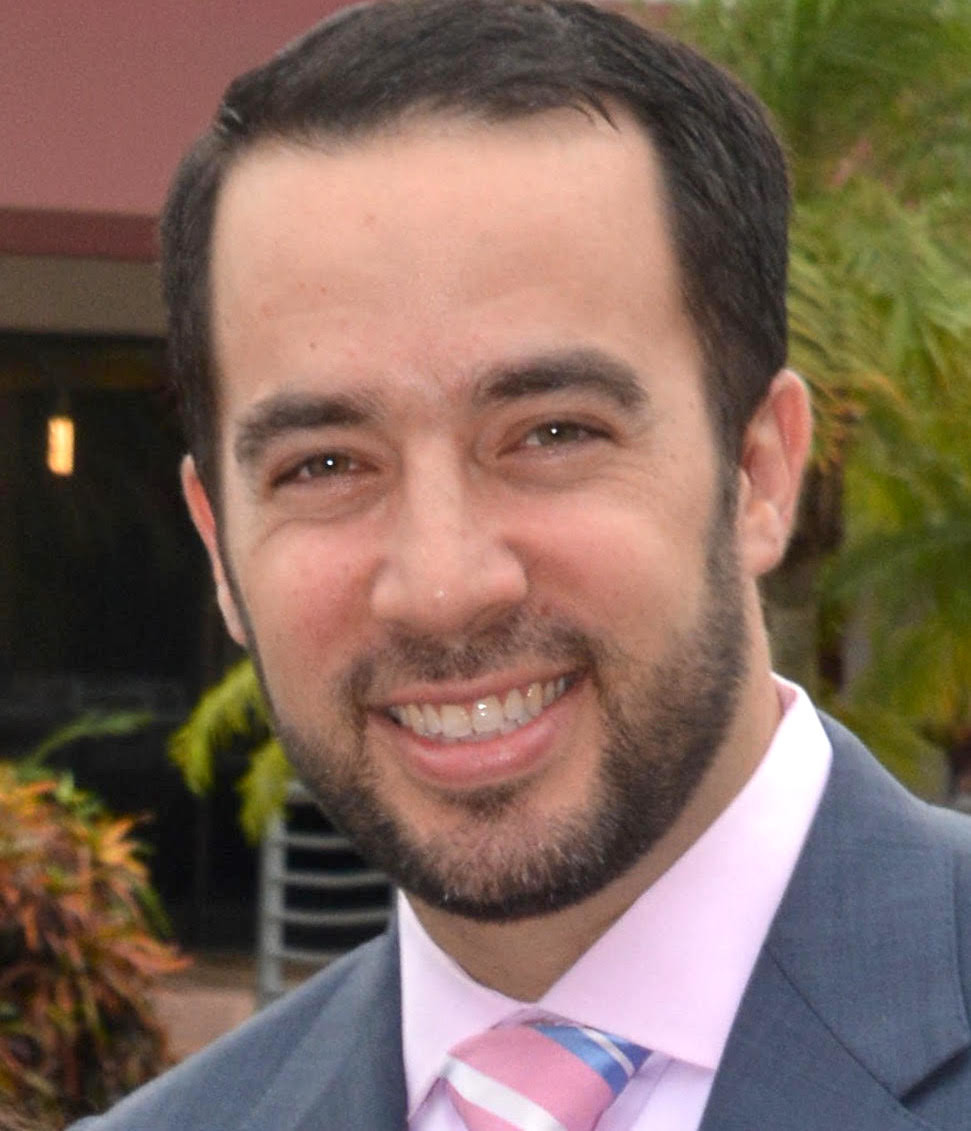
Avi Billet, who grew up in the Five Towns, is a South Florida-based mohel and rabbi of Anshei Chesed Congregation in Boynton Beach. This column was previously published.
Write: Columnist@TheJewishStar.com


