
A life lesson: What insurance do you have?
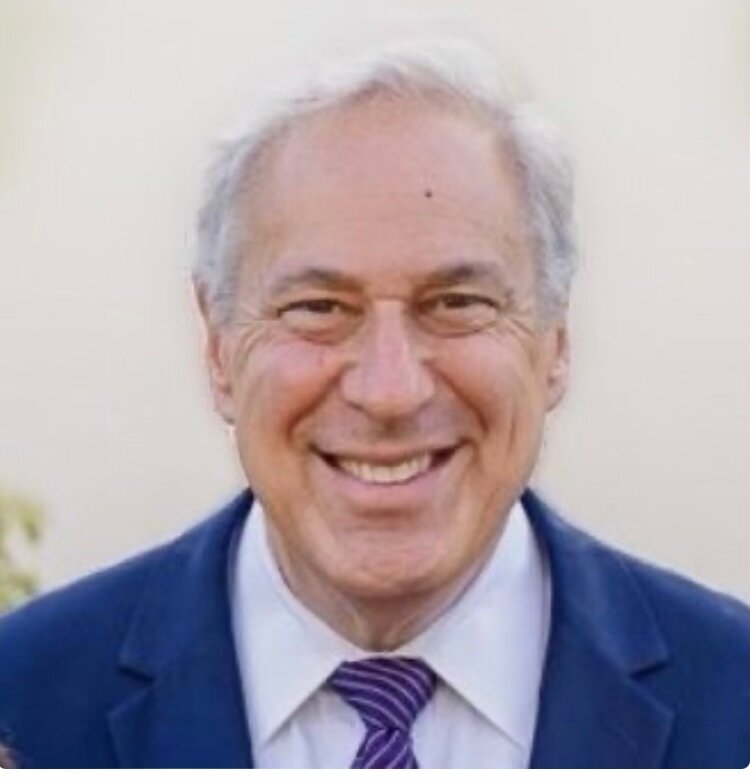
As a physician, one of the questions I detested was the question that is the title of this week’s column.
I remember when a prospective patient would call the office and the first inquiry from office staff would be, “what is your name” or “who referred you” or “what is the problem you’re having?” But for many years the first exposure that most patients have to a new physician is “What insurance do you have?”— meaning how do I get paid! This was emblematic of what medicine had become, a business rather than a profession, and I decided this was not why I went into medicine.
Of course, the doctor never asked the question, do so would be too gauche. But this is the absolute wrong way to greet a new patient and encourage trusting, caring and reassuring medical care.
But doesn’t everyone who works deserve to get paid? Of course, but maybe doctors, since they are performing a mitzvah, sometimes even pikuach nefesh, should do it for the sake of the mitzvah. How do we know doctors are even allowed to charge, according to Jewish Law? The answer is in our parsha, Mishpatim.
• • •
In a verse that would make lawyers jealous, we have a b’feirusha pasuk, an explicit verse in the Torah that doctors are required to be paid. In the section dealing with an individual who has been attacked and injured (21:18,19) we see the words “v’rapo yerapeh” (“he will surely be healed” or “he [the attacker] shall provide for healing.” Rashi, quoting Onkelus and the Gemara in Baba Kama (75a), says, he shall pay the cost of the doctor.
The Gemara there (83a) derives from these pesukim that the attacker is responsible for five things: nezek (damage), tzaar (pain and suffering), ripui (medical care), shevet (loss of wages) and boshet (embarrassment). No discussion of insurance.
This is the right and proper thing to do and is foundational for a functioning society. An attacker is responsible for his or her actions, not just for punishment purposes, but to make some form of restitution, compensation and healing.
Reading this shows us again that the Torah doesn’t just deal with theological and philosophical matters, it deals with real life, the minutiae of the conduct and consequences of our behavior. That is why halacha literally guides us as we walk through every facet of life. And if someone can’t walk, due to the actions of another, the perpetrator is personally responsible.
This used to be self-evident, but it’s been forgotten or considered unacceptable in 21st century America.
• • •
Reflecting on this, I thought back about my over 40 years in medicine. As a Torah observant Jew, I remember reading and studying the Rambam, scholar and physician extraordinaire. He didn’t have prescription meds, modern surgical or immunological techniques, genetic insertion therapy or AI — but he knew what contributed to real healing.
Writing in his Mishnah Torah, he recommended moderation in diet, regular exercise (both mental and physical) and the importance of quality sleep. These are the three things I mention most in my regular talks on how to prevent Alzheimer’s Disease.
In Pirkei Avot (4:28), Rabbi Elazar Hakapar is quoted: “Jealousy, lust and glory remove a man from the world.” How much happier and healthier we would all be if we didn’t fall to the temptations of jealousy, didn’t lust for money or power or physical pleasures or run after kavod. While these are truths are self-evident, I’m not saying it’s easy — but we know in our hearts that all these words of Torah are true.
No wonder Mishpatim was given to us at Har Sinai, right after we received the Luchot. It’s our prescription for real life. No charge. No insurance necessary.
As once again, Pirkei Avot (5:26) informs us, “Ben Bag Bag omer: v’hafach ba, v’hafach ba, d’kula ba (Ben Bag Bag says: turn it over and over, for everything is within it).”
Shabbat shalom.
Write: Columnist@TheJewishStar.com


